From ancient craftsmanship to modern precision engineering, the art of crystal cutting has shaped human aesthetics and technological innovation for millennia. Here’s a curated exploration of its rich history, pivotal moments, and future directions.
1. Ancient Beginnings: Handcrafted Mastery
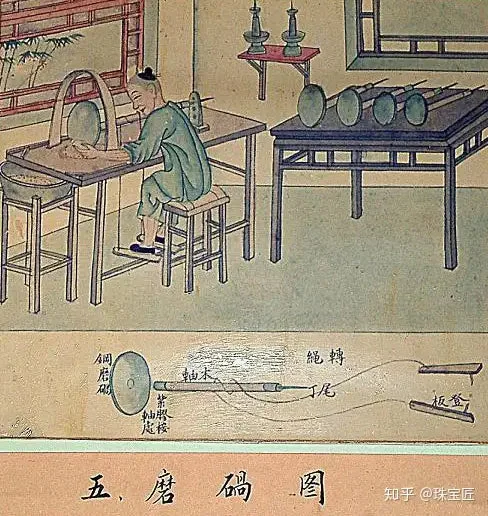
The earliest evidence of crystal cutting dates back to Warring States-period China (475–221 BCE), where artisans developed the “Nine-Facet Platform” technique for quartz and agate. Using primitive iron tools, they meticulously carved rings and pendants with geometric precision, balancing hardness (Mohs 7) with artistic vision. These works, often reserved for nobility, showcased sharp facets and polished surfaces that captured light with “cold, piercing brilliance”
2. Industrial Revolution: Mechanization of Brilliance
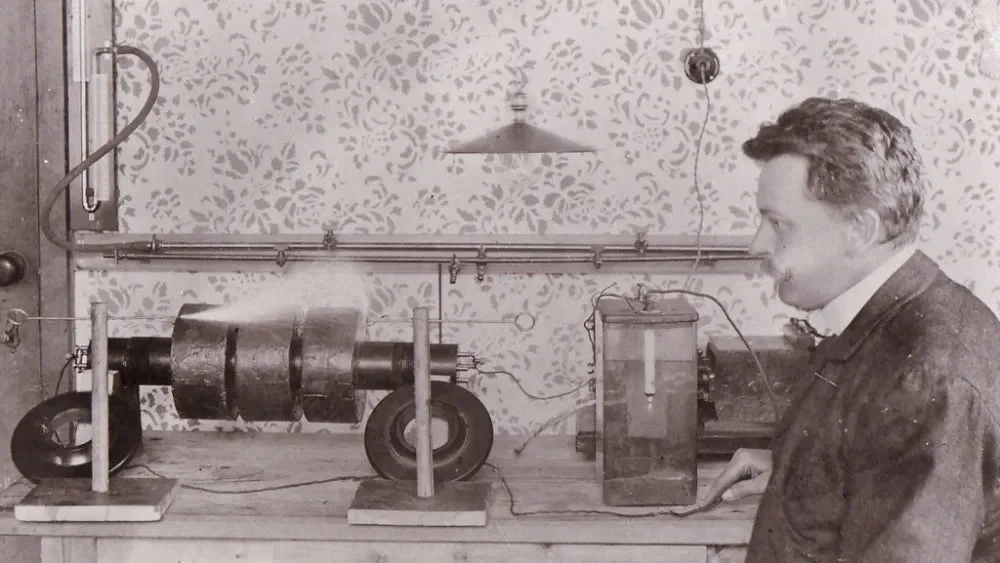
The 19th century revolutionized crystal cutting. In 1892, Daniel Swarovski invented the first electric-powered cutting machine, enabling mass production of prisms with uniform facets. His patented device could carve dozens of angles into glass, mimicking natural diamond refraction. To protect trade secrets, Swarovski relocated production to Wattens, Austria—a secluded Alpine village with abundant hydropower—and pioneered synthetic lead glass (“Swarovski Crystal”) in 1913.
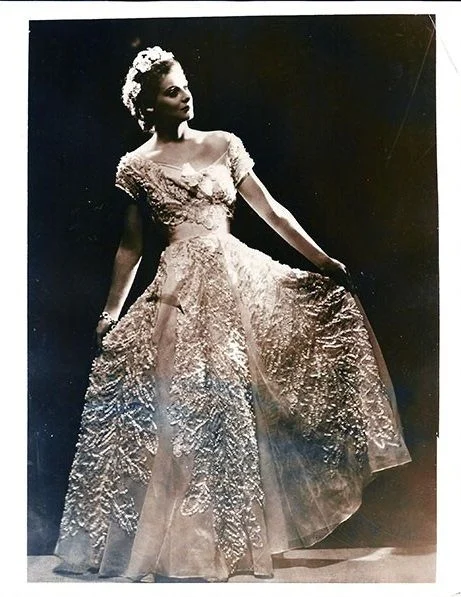
Legacy: By the 1930s, Swarovski’s machine-cut crystals adorned Chanel gowns and Hollywood costumes, democratizing luxury.
3. Modern Precision: Science Meets Art
Today, cutting is both an art and a science. Laboratories like GUILD Gemological Institute now grade gemstones based on symmetry, polish, and proportions, using 3D scanners to map light paths. For example, a well-cut aquamarine with a 43° crown angle maximizes “vibrant brilliance,” while poor symmetry creates dark zones.
Innovations:
-
Laser Cutting: Allows micron-level accuracy for intricate designs.
-
AI Optimization: Algorithms predict optimal facet arrangements to enhance sparkle.
4. Cultural Impact: From Status Symbols to Self-Expression
-
Ancient Times: Crystal amulets symbolized power (e.g., Chinese nobility’s agate rings).
-
20th Century: Swarovski’s collaborations with Dior and Versace turned crystals into fashion staples.
-
Today: Custom-cut gems reflect personal style, with Instagram trends favoring “crushed ice” moissanite and asymmetrical designs.
5. The Future: Sustainability and Hyper-Personalization
Emerging trends prioritize ethical sourcing and tech-driven customization:
-
Lab-Grown Crystals: Reduce environmental impact while maintaining optical perfection.
-
NFT-Backed Designs: Digital twins of rare cuts for virtual collections.
-
Dynamic Faceting: Adjustable facets via nano-coatings for color-shifting effects.
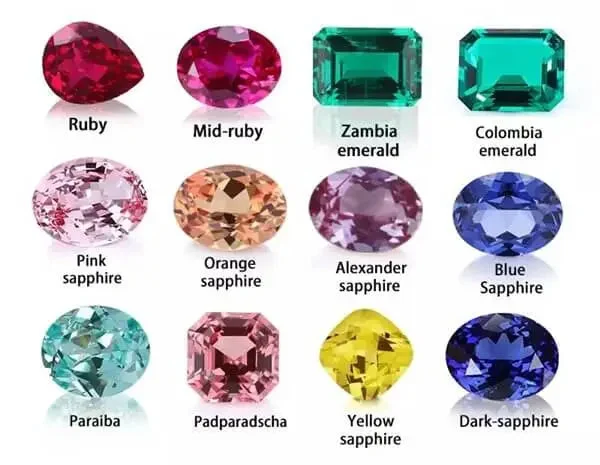 Lab-Grown gems
Conclusion
From Warring States chisels to AI-powered lasers, crystal cutting remains a testament to humanity’s pursuit of beauty and innovation. As technology advances, this ancient craft continues to redefine luxury—one facet at a time.